
5 Common Wildfire Claim Exclusions in California (and How to Avoid Them)
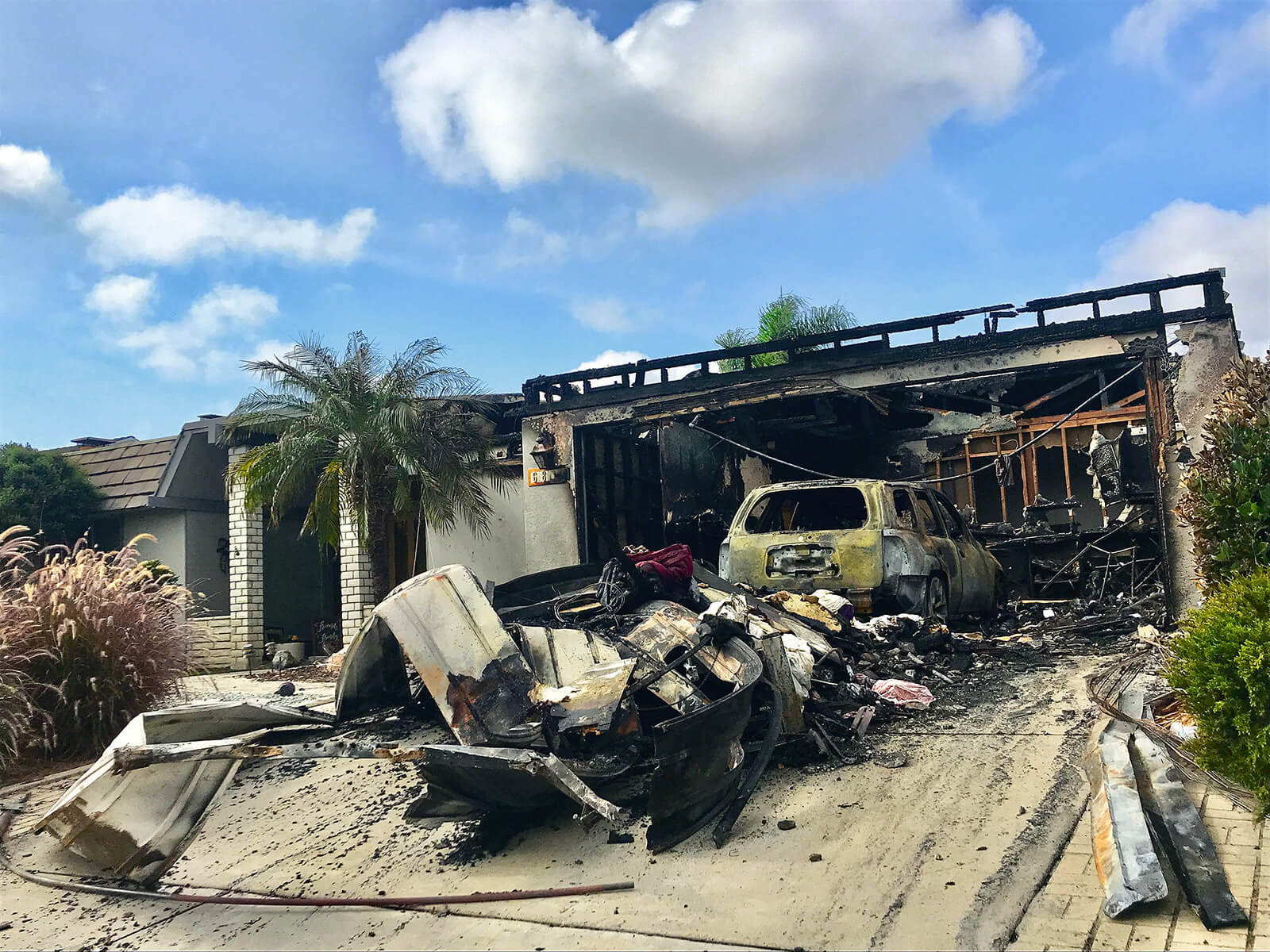
What every homeowner should know before disaster strikes.
California wildfires destroy thousands of homes each year. Many homeowners assume their insurance policy has them fully covered – but that’s not always the case.
Unfortunately, insurance doesn’t automatically cover everything.
Making things worse, many homeowners don’t understand these exclusions until it’s too late.
Today, we’re highlighting five common exclusions California homeowners could encounter when dealing with a wildfire claim – and steps to protect yourself.
1. Wear & Tear / Lack of Maintenance
Insurers frequently deny or reduce claims because of wear and tear.
Insurance doesn’t fix things that were already broken – or aging.
Over time, your home loses value. The structure and possessions of your home become less valuable. The roof you paid $25,000 to install today may only be worth $5,000 in ten years. If a wildfire destroys it, your insurer may only pay the depreciated amount – not the replacement cost – unless your policy specifies otherwise.
Insurers also use “wear and tear” or “poor maintenance” to reduce claims – or even deny claims entirely. If they believe your home was in disrepair before the fire, they may offer less – even if their assessment is inaccurate.
What to do:
- Keep detailed maintenance records
- Take photos of upgrades and repairs
- Ensure your policy includes replacement coverage – not just actual cash value
2. Mold Damage After Fire Suppression
After a wildfire, homes often suffer water damage from sprinklers, fire hoses, and water suppression systems. All of that moisture can lead to mold – and insurance doesn’t always cover mold damage.
Generally, insurers cover mold remediation when it’s caused by a sudden, unexpected, and accidental event – like a house fire.
However, insurers will likely not cover mold remediation when it’s ignored over a long period. If you move back into your home after a wildfire, for example, and fail to notice signs of mold, then insurers could deny a future claim.
What to do:
- Schedule a post-fire inspection as soon as possible
- Watch for signs of mold during cleanup and restoration
- Act quickly – mold exclusions often hinge on response time
3. Acts of Terrorism
Terrorism may seem far-fetched in Southern California. However, if insurers label damage as being caused by domestic terrorism, it can and will affect your claim.
Earlier this year, a domestic terrorist bombed a fertility center in Palm Springs. When local businesses tried to make an insurance claim, they were denied. The average property and casualty insurance policy excludes terrorism, acts of war, and civil unrest.
The May 2025 bombing damaged several blocks in Palm Springs. Local businesses had to pay thousands out of pocket to repair windows and exteriors – because they couldn’t make an insurance claim.
If an insurer can prove a fire was caused by an act of terrorism or similar event, they could deny your claim.
What to do:
- Ask your insurer if your policy excludes terrorism coverage
- Review your exclusions for “acts of war” or “civil unrest”
4. Intentional Fires or Damages
Every year, insurers in the United States lose around $30 billion to fraud. A significant amount of that fraud is linked to deliberate actions – say, from people who intentionally set fires to make insurance claims.
Some California wildfires are caused by natural risks – like lightning. Others are caused by windblown power lines. Many, however, are human-caused.
If you deliberately cause a fire with the intention of making a fraudulent insurance claim, then insurance will deny your claim.
On the other hand, genuine accidental fires are covered, regardless of whether they’re set by you or someone with no connection to you.
Insurers use advanced systems to detect fraud. However, these systems may not always be accurate.
What to do:
- Document how the fire started
- Save official fire reports
- Be transparent and proactive when filing your claim
5. Post-Fire Mudslide Damage & Debris Flows
Wildfires strip vegetation that holds hillsides in place, turning burned areas into prime mudslide zones.
In January 2018, 21 people in the Montecito area were killed by mudslides and debris flows. The mudslides occurred just one month after the Thomas Fire ravaged the surrounding hills.
Making things worse for local homeowners, insurance doesn’t typically cover mudslides. Insurers consider mudslides a type of flood damage. Most Californians don’t carry flood insurance.
Sometimes, public adjusters can prove mudslides were directly caused by a covered peril (like a fire), helping you receive compensation for something that would not normally be covered. In many cases, however, homeowners are unable to receive compensation for mudslides because they lack flood coverage.
What to do:
Consider flood insurance, especially if living near hills or canyons
Contact a public adjuster immediately after observing post-fire flooding or mudslides
What Does Homeowners Insurance Cover After a Wildfire?
An ordinary homeowners insurance policy in California may cover all of the following:
- Dwelling
- Other structures
- Personal property
- Additional living expenses
- Personal liability
Overall, a standard California homeowners insurance policy covers wildfire damage – but it may not cover all damages related to the wildfire. Exclusions like the ones above can reduce your payout or void coverage entirely.
To protect yourself:
- Review your policy
- Document everything
- Get expert help
Schedule a free consultation with Ironside Claims today to see how we could help with your wildfire claim in Los Angeles. The sooner you take action, the sooner you can protect your home and your family.